Friday, May 1, 2009

My Cat Ate My Snuggie™

By Daniel Quagliozzi

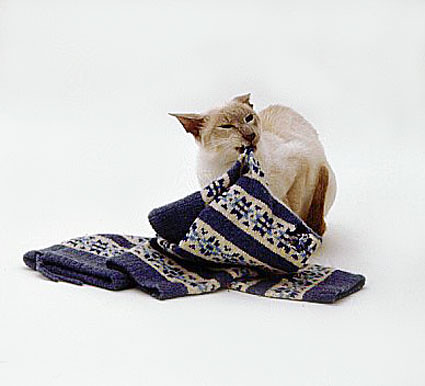
Has this ever happened to you? You're getting ready for another day at work and you decide to wear your favorite blouse...the very same blouse that has been sitting on the back of your chair for a week because you were too lazy to put it away after you got it back from the cleaners. As you put your arm through the sleeve, you notice there is a soggy hole in the side. Your cat has chewed another chunk out of your wardrobe. What the @*%!?!?! Guess what? Your cat has PICA!
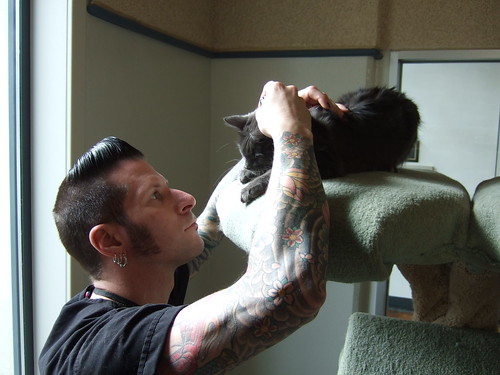
wool3


What Is Pica?

Pica is the term for the repeated ingestion of non-food objects. Accidents will happen, this is true. Sometimes cats will unintentionally eat an object like yarn, string or even a plastic cord. It probably looked like a snake to them? Can you blame them?


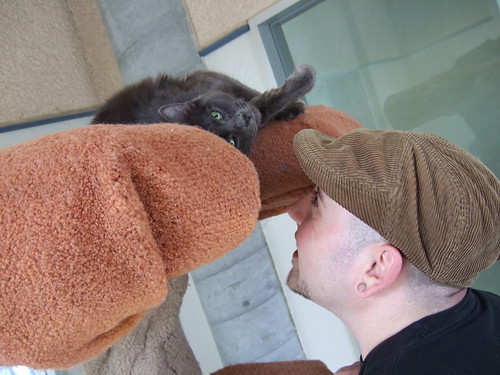
Keely_Chewing_on_Plastic_Cat_Rubbing_Toy_3-22-8


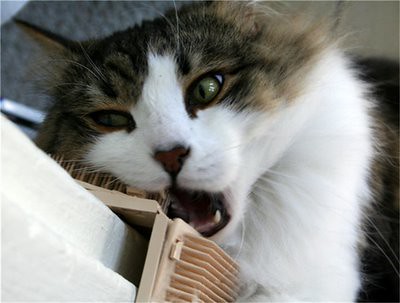
Pica is quite different and happens when cats deliberately chew and swallow inedible materials. Common targets include wool blankets, plastic coated wires, rubber, plastic bags, even thumbtacks, hair ties & spare change . Often, individual cats will have different preferences- so the cat that eats wool may not eat rubber, or the cat that tries to eat your bobby pins may frown upon your hipster sweater. Some cats have a broad range of preferences. Though it might seem amusing to some people, it could result in a lethal ingestion for your cat. Yarn can get wound up in the digestive system and plastic can obstruct major organs. Luckily, most of the time, PICA is more annoying then it is deadly. No one wants to come home to find a huge soggy hole in their favorite shirt.
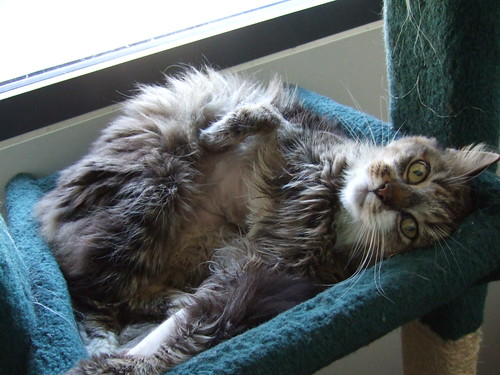
Wool%20sucking


No one really knows for sure what causes this kind of eating disorder. Some veterinarians attribute it to a lack of fiber in the diet while behaviorist's may claim that it is caused by boredom or anxiety.

woolsucking


To rule out medical causes, a veterinarian should examine all cats displaying pica. Once your veterinarian gives your cat a clean bill of health, discuss with them what steps you can take to modify your cat's behavior. These may include the following:


1. Remove targeted items - Placing clothing, blankets, plastics and electric cords out of the reach of your cat is often the easiest solution. Storage containers, electric cord guards, and other useful items are available at most home supply stores. The upside of all of this is that your house or apartment is going to be super clean! NO MORE CLUTTER! I wish my cat had PICA. It would be great incentive for my wife to stop collecting shoes.


2. Provide alternative items to chew or eat - Food-dispensing toys, durable cat toys, or pieces of rawhide can be used to redirect your cat's chewing behavior to more appropriate and safe items. For cats attracted to houseplants, small flowerpots of grass or catnip can be planted and kept indoors.


3. Provide lots of structured play - Many cats chew on household items out of boredom. Provide interactive toys and set aside time each day to play with your cat. As mentioned in many blogs prior, exercise, play and environmental enrichment provide stimulation that will cure most miss-behaviors. A bored cat has more time to focus it's energy on misbehaving while an active and distracted cat will not have the time of day to devote to such foolish activities.


4. Increase dietary fiber - It may help to increase the amount of fiber in your cat's diet. High fiber foods usually contain fewer calories. Your cat may be able to satisfy their craving to eat more while still maintaining their weight. Consult with your veterinarian before making any changes to your cat's diet.


5. Make targeted items aversive - Occasionally, applying aversive substances (e.g. hot sauce, Bitter Apple®, Bandguard®) to an item may deter a cat from chewing it. If this is not possible, spraying strong smelling substances (e.g. citrus air freshener, potpourri) or using physical deterrents (e.g. upside down carpet runner, Ssscat®, Snappy Trainers®) around an object may prevent cats from approaching. Eventually, your cat will get tired and stop heading for the same places of obsession.


6. Consult with a veterinary behaviorist - If your cat continues to ingest non-food items, referral to a veterinary behaviorist is recommended. Further environmental and behavior modification plans, specifically tailored to your pet, may be needed. In some cases, medication may be helpful. Anti-anxiety medications can lower stress levels and help to subdue the ingestion of non-food items.
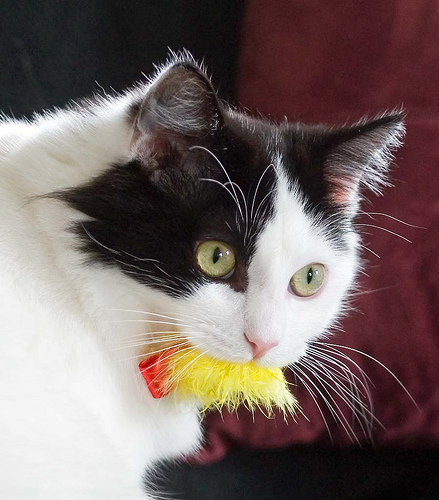
chew


Hopefully, with the right guidance and a little bit of tidying up, your cat will no longer bite off anything bigger than they can chew! Buy more cat toys!!!!

Wednesday, April 29, 2009

CAT BEHAVIOR BLOG GOES GLOBAL

By Daniel Quagliozzi


earth


Holy smokes!!! Litter Did You Know is a smashing success! In just under two months, The Official Blog of the San Francisco SPCA Cat Behavior Program has gone viral across the globe. Cat lovers around the world are tuning in daily to get advice and share a chuckle or two. Cats, cats, cats...you love cats and the numbers show that you are finding us in 19 countries. According to our website tracking, we have fans in the following countries:


The United States ( 138 cities)

Canada

United Kingdom

Belgium

Mexico

Romania

Australia

Denmark

Germany

India

Sweden

Venezuela

New Zealand

Norway

Bulgaria

Italy

France

Macedonia

The Phillipines


2009_02250073


2009_02250057


Not bad for two boys from New Jersey! Thank you all so much for your interest in our Blog. It's great to know that we are able to spread the word about cat care all over the wide wide world. Your kind emails and positive feedback have really made us feel like we are providing a fun and informative service. It's our pleasure to keep you up to date on the going's on of the SF/SPCA and to also make you giggle in your cubicles...or wherever you choose to giggle.

If you would like us to cover a particular subject matter or just drop us a line to say hello , feel free to email us!!

Daniel & Jamey
catbehavior@sfspca.org


ADOPTION UPDATES:


DSCF3300


It was a long haul... but "Messier" (our former office buddy) finally got adopted to a great couple. His charm and irresistable personality really won them over. A happy ending for a truly amazing companion. We thought his fans would like to know!!!!


Litter....did you know?


  • The claws on a cat's back feet aren't as sharp as the claws on the front feet because they can't retract into the toe, therefore they're continually being worn down by walking.

  • Calico cats are almost always female.

  • The nose pad of a cat is ridged in a pattern that is unique,just like the fingerprint of a human.

  • Unlike a dog, a cat wags it's tail when its anxious, excited or threatened...not when it's happy.

  • Cats have existed longer than humans.

  • Cats can jump 5 times their height.


  • The domestic cat is the only species of cat that can hold it's tail vertically while walking.


  • Cats have the largest eyes in proportion to their body size of all mammals.


  • Cats usually have 12 whiskers on each side of it's nose.

Monday, April 27, 2009

From Fear to Friendship: Working with undersocialized kittens

By Jamey Walker


343465-FB~Eight-week-old-Kitten-Hissing-Posters


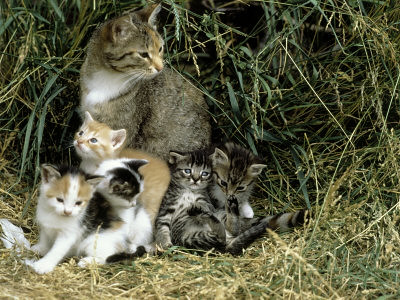
Every year at about this time the SF SPCA starts to take in under-socialized kittens to try and rehabilitate them. These kittens are the product of Mama cats that are either feral or have had their babies outside and received no human contact.


186573-FB~Cat-and-Kittens-in-Hay-Posters


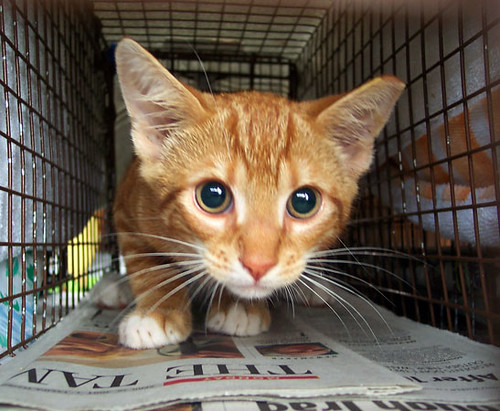
These little guys have never been around people and as a result, panic when they are actually face to face with us giant human monsters! What if we suddenly we saw a 20-foot spider coming towards us?


alleycatallies_03


Well, when these little kittens arrive they are also understandably defensive and fearful. They may have had little or no contact with people. They will usually run like the dickens if you set them down in an open space. If cornered they may swat, hiss or spit-stomp (this is when a cat jumps on their front legs towards you, while giving a sharp, intense hiss). All of these behaviors are designed to create distance between the threat (big goofy humans) and themselves.


2960128360_5068aa6351


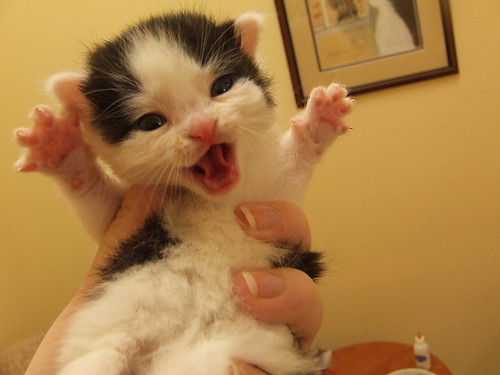
So when we take one of these little guys into our shelter, we want to be very sensitive to their fear. At the same time we have to handle them so they become accustomed to human contact. We accomplish this by using a lot of positive rewards along with gentle, repetitive handling. But don’t let their kitten cuteness fool you, socializing them can take a lot time and is often a difficult process.


Seeing one of these kittens start to become happy and comfortable around people is one of my favorite moments because it means they have a chance at becoming adopted and getting a home off the streets.


If you are interested in helping these little scrappers feel good around people, you can volunteer as a feral kitten socializer or a foster parent! Our volunteers go through specialized training to learn how to work with all types of under-socialized kittens and are the major force behind getting them ready for adoption.


For information, contact Volunteer Services at 415.522.3543 or email: Volunteer@sfspca.org. or Foster Care: 415-522-3542. or foster@sfspca.org

CAT BEHAVIOR MAIL BAG:

Dear SF/SPCA Cat Behavior Program,

I'm not sure if you remember but Dougie (now Chief due to his large feather like ears) was a very sick and under-socialized kitty. He came to you with ringworm and from all the paperwork I read it took months of medication and quarantine before he recovered. Once he did, understandably he was distrusting and skittish and not ready to be adopted. When we first saw him he looked sad and scared all alone in his room. My heart went out to him after I got his paperwork and read his story I just couldn't stop thinking about him. We visited him 4 times, hoping we'd be able to have a meeting with him but every time we found he wasn't ready yet. I tried to convince myself that this wasn't the write cat for us but I couldn't get him out of my mind.

We'll long story short- we adopted him right after he became available and have loved him ever since. It has taken a little time for him to adjust to us and his surrounding but it is safe to say he is a very happy cat and day after day more trusting, more loving and full of personality. We have another cat names Pippi and if there ever were two best friends, it's them.

We've since moved to Portland where we have a house and a large yard where Chief and Pippi patrol the perimeter and play in the grass. It's a lovely life.

feral1

While he was with you he had a little sheep skin bed he slept on. To this day he seems to only want to sleep on wool. If the sheep skins are being washed, he'll hunt out a sweater or the blanket on the bottom of the bed. If we lay our wool winter coats on the sofa the next day they'll have a little fur nest on them. He just can't help it. We also took his favorite toy with us when we adopted him- the pink tube on a stick. Somewhere along the way the stick fell off but he still loves the tube. So much so that he takes it to bed with him and cuddles with it.

feral2

All of this is because your dedicated staff showed him so much love, caring and attention. I can't tell you how impressed I am with your facility. Thank you so much for taking the time to care of this lovely animal. Where most places would have put him down because of his health or temperament, you stuck by him. I don't have names or faces to direct my gratitude so I'll send it to all your staff and volunteers. Our lives are richer because you care.

Thank you so much,

Jessica W.

Friday, April 24, 2009

It's FIV Awareness Weekend At The SF/SPCA

By Daniel Quagliozzi


This weekend, The San Francisco SPCA is spotlighting three beautiful and unique cats. The one thing that they have in common,besides there awesomeness, is that they all have FIV. Now, the question many of you may be asking is....

What is FIV?

FIV stands for feline immunodeficiency virus, just as HIV stands for human immunodeficiency virus. In fact, these two viruses are closely related and much of the general information that has become common knowledge for HIV also holds true for FIV.

FIV is a virus that causes AIDS in cats; however, there is a long asymptomatic period before AIDS occurs. Some cats are compromised and may live shorter lives while other can have long lives full of enrichment. It's our job as humans to keep these cat's indoors and smothered with love and proper medical attention in order to give them the quality of life that they will need to carry on. Serious colds can easily turn to pneumonia, so its important to be aware of your FIV cats health at all times.

How do cats get FIV?

The major route of virus transmission is by deep bite wounds that occur during fighting. There are other means of spreading the virus but they are less common. Mother cats cannot readily infect their kittens except in the initial stages of infection. FIV can be transmitted sexually and via improperly screened blood transfusions. Casual contact such as sharing food bowls or snuggling is very unlikely to be associated with transmission.

How do I protect my cat?

The best thing that you can do to protect your cat from FIV is keep it indoors. With the most common route of transmission being cat fights, especially bite wounds, an indoor lifestyle is a sure fire way to avoid getting the disease. Of course, keeping cats vaccinated is a good precaution to decrease health risks but unfortunately it will not deter the disease. There is no vaccine for FIV.

A Shelter Reality

In many shelters across the country, cats with FIV are very hard to place in homes. They have to live solo lives or be co-housed with other cats that share the infection. This limits their chances of finding loving homes and increases their risk of being euthanized. At the SF/SPCA we try very hard to keep our clients informed about these cats and try to pair them off whenever possible. A great example of two cats that have FIV and were strangers before they became homeless.... are Puff Daddy & Norman!

puff3

puff

NORMAN1

Puff Daddy & Norman met and made friends at the SF/SPCA. They got along really quickly and have been roommate's ever since. Both of them love attention and will break into spontaneous play sessions whenever the mood strikes their fancy. They will do well together, solo or with the company of another cat -friendly resident cat. Look at those cheeks on Puffy!! Like many male cats that have lived outdoors, Norm & Puff show the tell-tale signs. Both cats have the battle scars and tipped ears to prove it. Those days are over now, paving the way for a calmer, gentler future.


Scarlett2

Scarlett is a little more reserved than her two buddies. She prefers to live by herself, can be a little hesitant at first but warms up super fast. She's a dignified lady with subtle charms that cast upon you like a love spell. Before you know it, you're full filling her every wish. She's a classy girl with cat appeal that will draw you in like a tractor beam. Scarlett will do best in a quieter environment with patient and heart felt guardians willing to provide her with all her desires.

FIV is a disease that may limit their lifespan, but it doesn't change their amazing personalities and uncanny ability to change our own lives. Just because they are immune compromised does not put limits on the love they have to share. You can learn a lot from a cat when you know their time may be limited. It's a win-win situation! You get to provide a beautiful animal with a home and your new friend gets to unconditionally change your life forever.

Open up your heart and your home to an FIV cat this week. If you would like more information about FIV cats or would like to give one of these three fabulous cats a chance, please call The SF/SPCA Adoption center at 415 522-3500 or email us at catbehavior@sfspca.org


If you do not live in the Bay area, please remember, FIV cats are being surrendered to shelters all over the globe!

Enjoy this short clip of Puff Daddy in action!!!

Wednesday, April 22, 2009

KEEP ON ROCKING IN THE FLEA WORLD

By Daniel Quagliozzi


BREAKING MEWS 4/22/09:


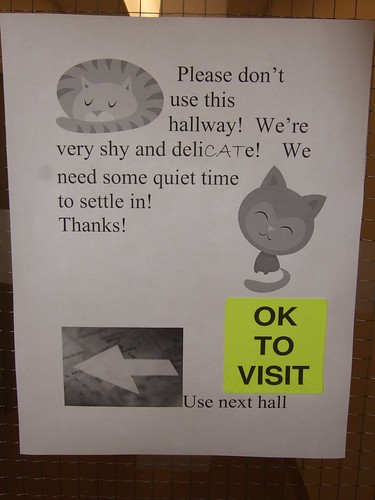
SF/SPCA Cat Behavior Program Dedicates Space To The DeliCATe!

delicat


In our ongoing efforts to make our shelter cats feel at home and secure in their surroundings, we have devoted some very special real estate in our building to fearful cats. The Deli-Cat ward is now a reserved area for cats that are having a hard time transitioning. Imagine everything you once knew was completely erased, only to be replaced with unfamiliar sights, smells and people. You would shut down too! Cat's are especially challenged by change. Our hope is that the new Deli-Cat wards will be a welcoming atmosphere to help these shy kitties settle in.


delicat1`

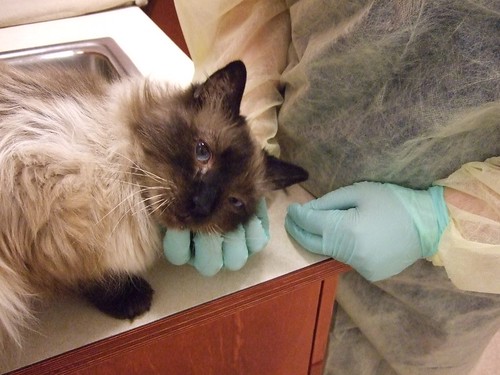
HARRY GETS SOME LOVE FROM A DeliCATe VOLUNTEER


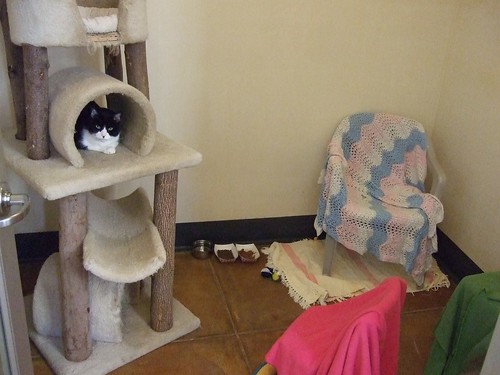
Our special wards are located both in The Leanne B. Roberts Animal Care Center and in our second floor recovery area of Maddies Adoption Center. This second floor oasis for cats is also dedicated to medical recovery and allows cats that need more space or attention to stretch out and just be cats while receiving treatments and behavior evaluations. Fearful cats gets special accomodations and cozier condos away from the every day noises and commotion of the shelter. Volunteers and staff head to these destinations to make these hard cases turn soft.


delicat3

FELIX TAKES A RELAXING BREAK "AWAY FROM IT ALL"


With our sights set on speedy transition and lower stress, our hope is that cat's will rehabilitate faster and make their way into homes without having to endure un-needed anxiety. This also allows us to make accommodations for extremely shy cats coming in from our county shelter; Animal Care and Control.


delicat5

CLOE HIDES IN HER FANCY 2ND FLOOR APARTMENT


If you have a special spot in your heart for shy cats and think you could give us a hand making them feel more at home, you too could be a DeliCATe volunteer! Find out about our volunteer programs here: http://www.sfspca.org/support/volunteering/


SF/SPCA Dominates Facebook!


No, this is not an ad for the dog whisperer.....


You're on facebook right? Don't lie, your boss probably isn't reading this. No, seriously... with social networking being all the rage, lots and lots of people have taken to websites like Facebook & Myspace to stay in touch with friends, coworkers and the organizations they support. You catch where I'm going with this? Smell what I'm cooking here? Support? Organizations?


The San Francisco SPCA has a fan page on facebook! Add us, stay tuned to our new programs and events, but most of all... support a really good cause and a solid organization that is making a difference. It's easy, click this: http://tiny.cc/sfspcafan and BOOM! You've got the inside track on our featured cats, all things blog-worthy and everything that is anything happening at the SF/SPCA .


CLICK ME -----> http://tiny.cc/sfspcafan


DROP IT LIKE IT'S HOT

catsun


Here in San Francisco we are having a heat wave. With temperatures hitting the high 80's, it's not just people who suffer from the blazing days of "spring". Cats also have a hard time adjusting to the warmth. You will see many of our feline friends laying sideways on the floor, trying to stay cool.

Always try to keep your living quarters as cool as possible for your animals. I know, it can be hard making some places cool. The old buildings of San Francisco often do not have windows with screens and air conditioning is unheard of.


CatOreoBroolynDeli-thumb-468x311


While keeping your windows open is great for fresh air, remember to make them safe by providing screens or a barrier so that your cats do not go on a hot day's adventure. You can buy folding screens for all kinds of windows at most hardware stores.


Provide cold water at all times! Staying well hydrated is essential for an over-heating cat.


Register your microchips and spay/neuter your cats!! The likely hood for a great escape is higher when it's warm out. Be sure to take all the necessary precautions when it comes to making sure your cat will come home safe without causing any trouble. The hottest days of the year are ideal for wayward cats to contribute to pet over-population.


Flea treat your cats! Hot weather is a safe haven for fleas. They love to latch on to your cat when its warm. Be sure to use a high quality flea treatment on your cat. Most veterinarians will recommend Advantage or Frontline.


Now, crack open a cold one and get on Facebook.


Monday, April 20, 2009

Don't Lose Any Hair Over It!

By Daniel Quagliozzi


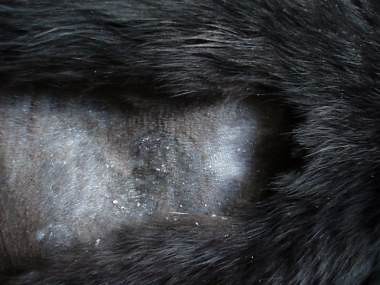
Feline_self-inflicted_alopecia


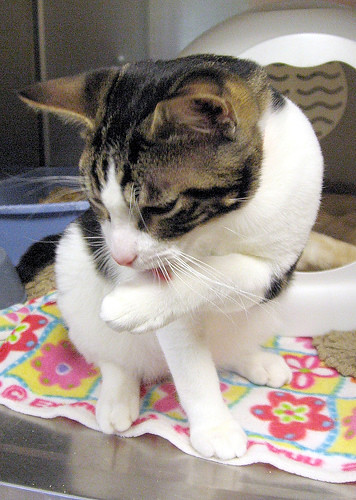
Personal hygiene is very important to our feline friends. Some cats will spend hours licking themselves clean so they look just right for you when you get home. You'd be just as concerned about your appearance if you had to sit in a sand box and do your dirty work! There's no way that you're going to exit that situation unscathed.


With cleanliness being high on the priority list, cats can launch themselves into an obsessive chain of over-grooming when times of stress take over the day's normal and predictable routine. A sudden move, new addition to the home like another cat, infant, dog or even furniture can upset a cat so much that they lick themselves bald from the intrusion. Why is this?


overgrooming2


It is thought that feline "Psychogenic Alopecia" may be a displacement activity resulting from anxiety or frustration, which in time might become compulsive. Nervousness, lack of stimulation and the desire for human contact can result in excessive grooming as well. Changes in the owner’s schedule and inappropriate punishment will only add to the anxiety!


So what can you about this? First you will need to rule out any underlying medical cause that may be prompting them to lick themselves. Itching, burning or skin disorders caused from flea bites, food allergies or household cleansers may be a factor. If the skin feels icky, your cat will lick the area clean to alleviate the discomfort.


Next, be observant of how long your cat is grooming and when it seems to be most prevalent. If there is no skin irritation noted and your cat seems to be stressed out or anxious, you may have an over-groomer on your hands.


cartclean


There are a number of approaches to this kind of problem, both medical and behavioral. We always recommend that you consult a veterinarian before you try any behavior modification on your own.


BennyCabinet


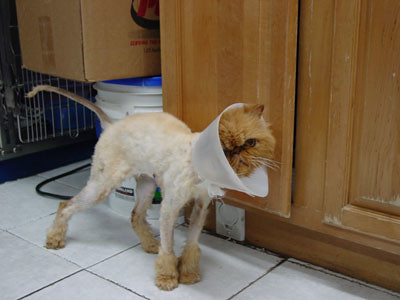
Sometimes, an Elizabethan or E collar can be helpful to stop a cat from being able to lick areas while you treat them with medications to stop the itching or in extreme cases, to calm you cat down. Common medications, such as Prozac & Buspar have been very effective in eliminating the anxiety which may be the root of the cause.


cat_grey_cleaning2


Increase the attention that you give your cat each day! You would be surprised how valuable a few moments of love can be. A little goes a long way in the average day of cats life. Afterall, you are their whole world.

Happy distractions are the key to stealing the focus away from the over-grooming. Play with your cat!!! Activity and enrichment are essential to your cats quality of life. Boredom can lead to obsession. Get your cat focused on fun and you will be surprised how quickly they will forget to keep on licking the same spot!


Oscar


Don't change your routine. Predictability is the one thing can make a cat worry less. No worries equal no anxiety. Keep the furniture moving, strange visitors and partying to a minimum. Your cat will thank you by licking you instead of licking themselves bald!


Friday, April 17, 2009

Cries For Help: Does your cat want a feline friend or just more attention from YOU?

By Daniel Quagliozzi


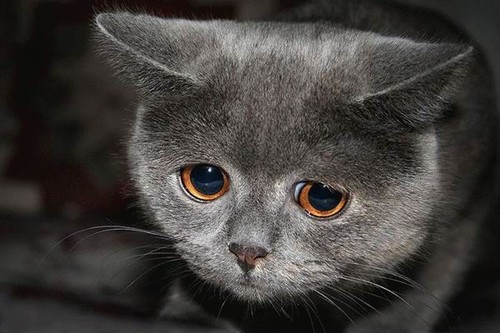
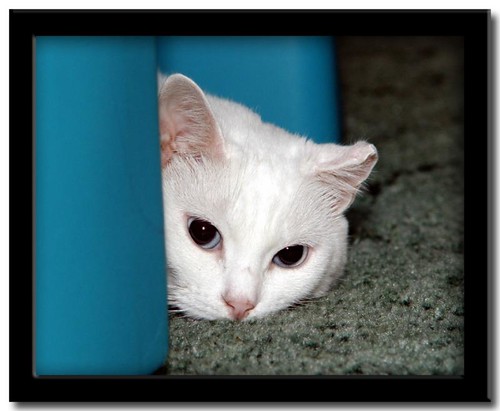
sad-cat3


Have you ever lived with two cats and then suddenly one passes away, leaving one behind, moping around in a state of depression and crying out incessantly? If it wasn't hard enough to deal with the loss yourself, your cat is amplifying the situation with disorientation, neediness and late night sleep disruptions. Some say this is a cat's way of mourning the loss, while others may say your cat is looking to fill the emptiness with more affection, play sessions and acknowledgment from YOU.


What is your cat trying to tell you?


When is it the right time to add another cat to your home?


What should you do to fill the void?


sadcat2


It has been said that cat's get used to common smells in their homes and when another member of the household dies, even a human companion, the cats can sense the change and react accordingly. The process of grieving can vary among cats just like it does with humans. Some of them bounce back overnight while others may take months to recover.


The best thing you can do is keep things as routine as possible. Don't rock the boat any more than it already is.


Keep your feeding schedule, playtime and petting interactions very predictable. If your cat can predict your every move, they will adapt to the change faster than if things were inconsistent.


Reduce stress through exercise! It's truly amazing what a good exercise regiment can do to bring down stress levels. I know I feel better after I come home from the gym. Cats are no different! Wave that cat dancer around and get your cat chasing a favorite toy as much as possible!


sadcat


If you notice that things are calming down at home, due to the increased attention that your cat is receiving , it may be ok to let them fly solo for a while. Perhaps it was YOU that they wanted all to themselves now that their feline friend is gone.

Think about the impact that you have on your cat. If you are lucky enough to be working these days, it's understandable that you may want to relax and take a load off when you get home. Don't forget that your arrival is a huge part of your cats day. While you're at work, school or the park, your cat is probably home sleeping. Make you time together count!


Then again....there's this scenario:


You've tried everything you can think of to make your cat happy and now you are concerned that kitty needs a playmate. Always take age and medical concerns into consideration before attempting to add a cat that is younger or close in age. Some older cats may be overwhelmed by the addition of a kitten or young adult. After all, they may be crying out for the company of their long lost friend, not some punky and energetic teenage kitten. Imagine a senior citizen is suddenly asked to be room mates with an 18 year old drum player. It's not a welcome surprise.


Try to pair your cat with another one that has similar characteristics. The gender of the cat is not always a factor, but many people will tell you many different things regarding this. In the shelter, we have the most luck pairing confident neutered males. Again, this is not a guideline to follow, just an anecdotal statement. It truly is the luck of the draw sometimes.


cathug


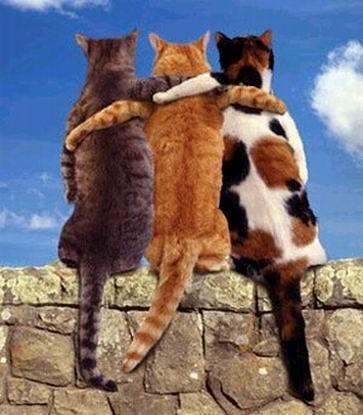
Having more than one kitty is definitely a bonus, not only for your cats well being and your own ,but also for shelters all across America. Pairing cats is strongly encouraged to eliminate over-population. If all the cards are falling in the right place and the time is right to add a cat, we will applaud your decision. Be sure to ask your local animal shleter or rescue about cat's that have been paired successfully in their care. This can be a predictive way to see if it will work in your own home.